
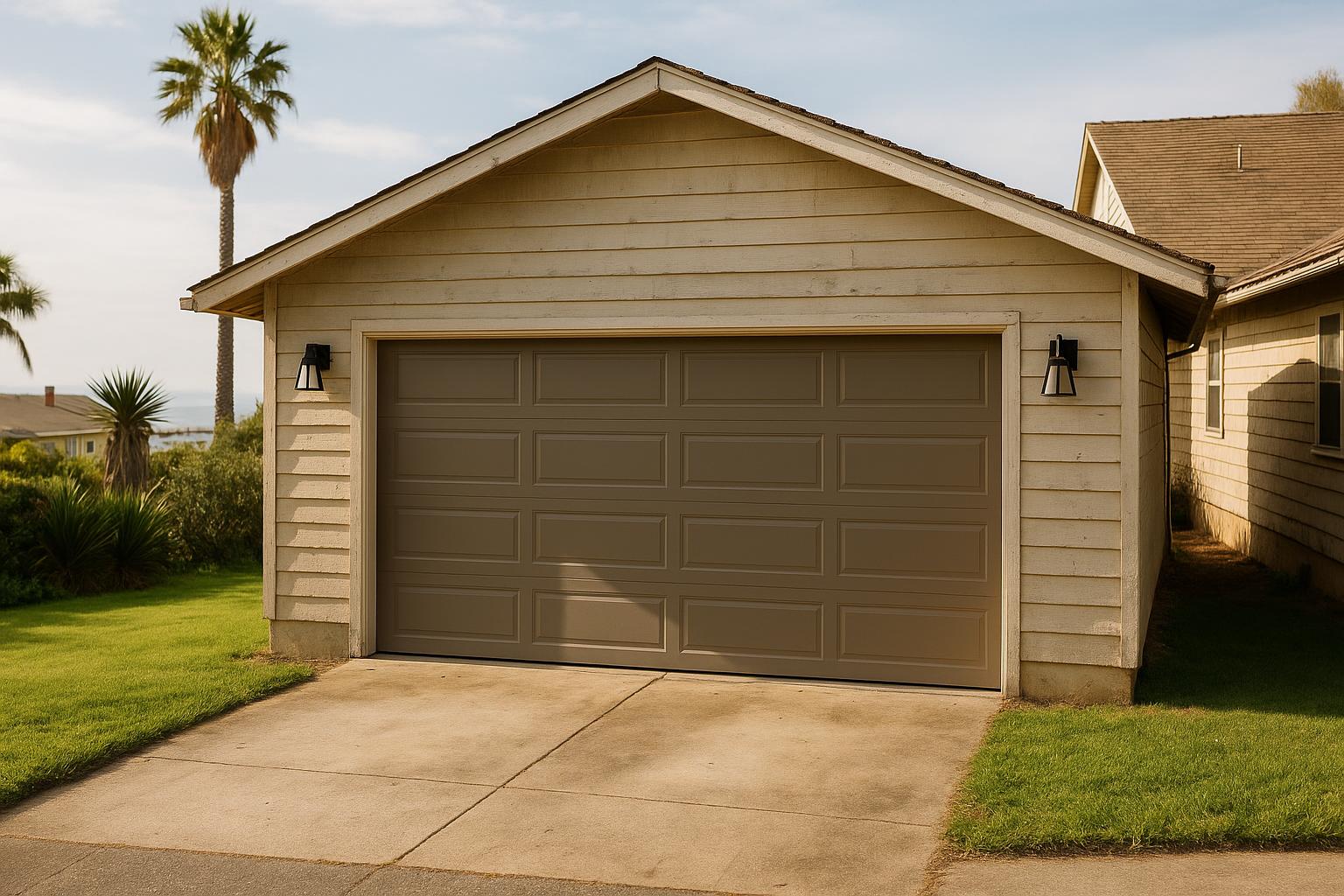
Your Garage Door Has a Lifespan — Here's What Determines It
Most homeowners don't think much about their garage door until something goes wrong. But like any major component of your home, your garage door has a finite lifespan. Understanding how long it should last — and recognizing the signs that it's nearing the end — can save you from unexpected breakdowns, safety hazards, and wasted money on repairs that aren't worth it.
If you own a home in Wilmington and your garage door is getting up there in age, here's what you need to know about its expected lifespan and how to make the smartest decision about repairing or replacing it.
How Long Should a Garage Door Last?
The average garage door lasts between 15 and 30 years, depending on several factors:
- Material: Steel doors tend to last 20–30 years. Wood doors can last just as long with proper maintenance but are more vulnerable to moisture and rot. Aluminum doors are lightweight and resist rust but dent more easily.
- Usage: The more cycles your door goes through (one cycle = one open and one close), the faster its components wear out. A family that opens and closes the door four to six times a day puts significantly more wear on the system than someone who uses it once daily.
- Maintenance: Doors that receive regular lubrication, hardware tightening, and balance checks simply last longer than neglected ones.
- Climate: Living near the coast in Wilmington means your door is exposed to higher humidity and salt-laden air, which accelerates corrosion on metal parts, weatherstripping, and hardware.
Even if your door still technically functions, age alone can make it less safe, less efficient, and less attractive. Knowing when to draw the line between repairs and replacement is key.
Signs Your Garage Door Is Nearing the End of Its Life
Some signs of aging are obvious. Others are easy to overlook until they become serious problems. Watch for these red flags:
Frequent Breakdowns
If you're calling for repairs every few months, those costs add up fast. A good rule of thumb: if the total cost of repairs over the past year or two approaches 50% of the cost of a new door, replacement is the smarter investment.
Excessive Noise
All garage doors make some noise, but grinding, scraping, banging, or rattling that gets progressively worse usually indicates worn-out rollers, hinges, or tracks that are beyond simple fixes. Older doors also tend to lack the quieter nylon rollers and belt-drive openers found in modern systems.
Visible Sagging or Warping
Disconnect your opener and manually lift the door halfway. Let go. A balanced door should stay roughly in place. If it sags, drops, or feels extremely heavy, the door or its counterbalance system may be failing. Warped panels — especially common with older wood doors in Wilmington's humid climate — compromise the seal and structural integrity of the entire door.
Outdated Safety Features
Garage doors manufactured before 1993 may lack the auto-reverse safety features that are now required by federal law. If your door doesn't reverse when it contacts an object or doesn't have photoelectric sensors near the floor, it's a safety risk — especially for families with children or pets.
Poor Insulation and Energy Efficiency
Older single-layer garage doors offer virtually no insulation. If your garage is attached to your home, an uninsulated door forces your HVAC system to work harder. Modern insulated doors with polyurethane or polystyrene cores can make a noticeable difference in energy costs and interior comfort.
Rust, Rot, or Cosmetic Decline
Surface rust on steel doors and rot on wood doors aren't just cosmetic issues — they weaken the door's structure over time. If the damage is widespread rather than isolated to one spot, patching it up won't buy you much more time.
When Repair Is the Right Call
Not every problem means your door is done. Repairs make sense when:
- The door is less than 15 years old and in generally good condition.
- The issue is isolated — a single broken spring, a malfunctioning opener, a door that's come off track, or a damaged panel on an otherwise solid door.
- The repair cost is well below half the price of a new installation.
- You're happy with the door's appearance, insulation, and functionality aside from the current issue.
A well-maintained garage door can often be kept running with periodic component replacements. Springs, rollers, cables, and openers are all parts that wear out independently of the door itself and are relatively affordable to replace.
When Replacement Makes More Sense
Replacement becomes the better option when:
- The door is 20+ years old and showing multiple signs of wear.
- You're facing recurring repairs that keep draining your wallet.
- The door lacks modern safety features like auto-reverse and sensor eyes.
- You want to improve curb appeal — a new garage door consistently ranks as one of the highest-ROI home improvement projects, often recouping 90% or more of its cost at resale.
- You're dealing with structural damage like significant rust, rot, or warping that compromises the door's integrity.
- You want better insulation and noise reduction than your current door can provide.
For Wilmington homeowners thinking about selling in the next few years, a new garage door is one of the most impactful upgrades you can make. It's the first thing buyers see, and it sets the tone for the entire property.
What to Expect from a New Garage Door Installation
If you decide replacement is the way to go, here's a quick overview of what the process looks like:
- Consultation and measurement: A technician visits your home to measure the opening, discuss your preferences for material, style, insulation, and color, and provide a detailed quote.
- Door selection: You choose from a range of options — steel, wood, composite, carriage-style, contemporary, windowed, insulated, and more.
- Professional installation: A typical single-door installation takes about three to four hours. Double doors or custom orders may take slightly longer.
- Testing and walkthrough: The installer tests the door's balance, safety features, and opener integration, then walks you through basic operation and maintenance.
A properly installed garage door should give you decades of reliable service with minimal upkeep.
Get an Honest Assessment
If you're unsure whether your garage door needs a repair or a full replacement, the best thing you can do is get a professional opinion from someone who won't push you toward the more expensive option unnecessarily. At Wilmington Garage Door Repair, we'll inspect your door, give you a straightforward assessment, and help you make the decision that fits your home and your budget. Whether that means a simple fix or a brand-new door, we'll make sure the job is done right.
Give us a call or reach out online to schedule an inspection. We serve homeowners throughout Wilmington, Leland, Wrightsville Beach, Carolina Beach, Hampstead, and Porters Neck.